How to Find a Food Bank or Pantry Near You
Running short on groceries this month is more common than you might think, and help is usually nearby. Nearly every county in the country has food banks and pantries, and most can serve you the same day you show up. Nobody expects you to prove you're "poor enough." Needing food is reason enough.
Food banks and food pantries: how they differ
People use the two terms as if they meant the same thing, but each does a slightly different job:
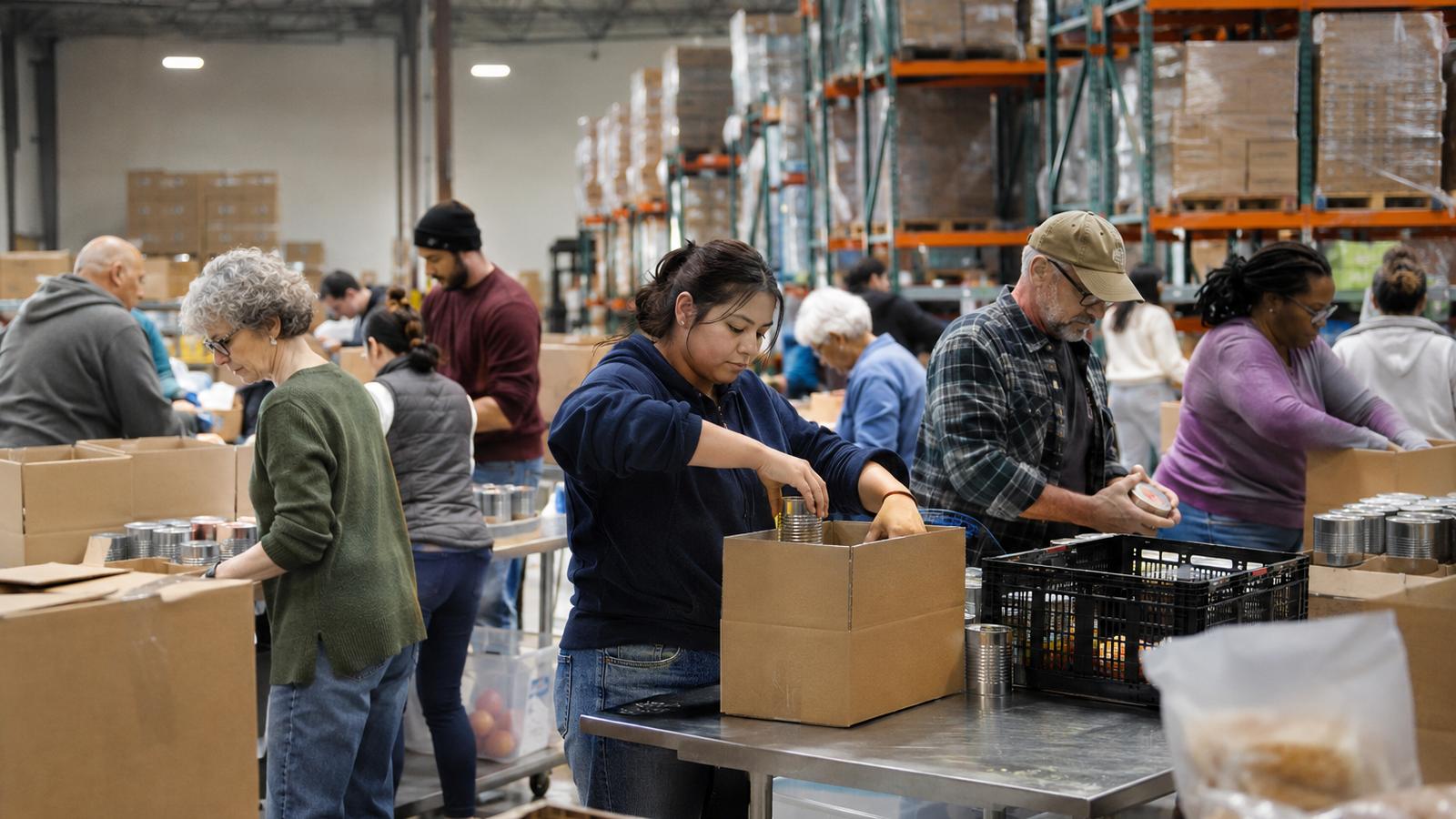
- Food banks are big warehouses that gather donated and surplus food and then supply a network of smaller local programs. A few also give food directly to families.
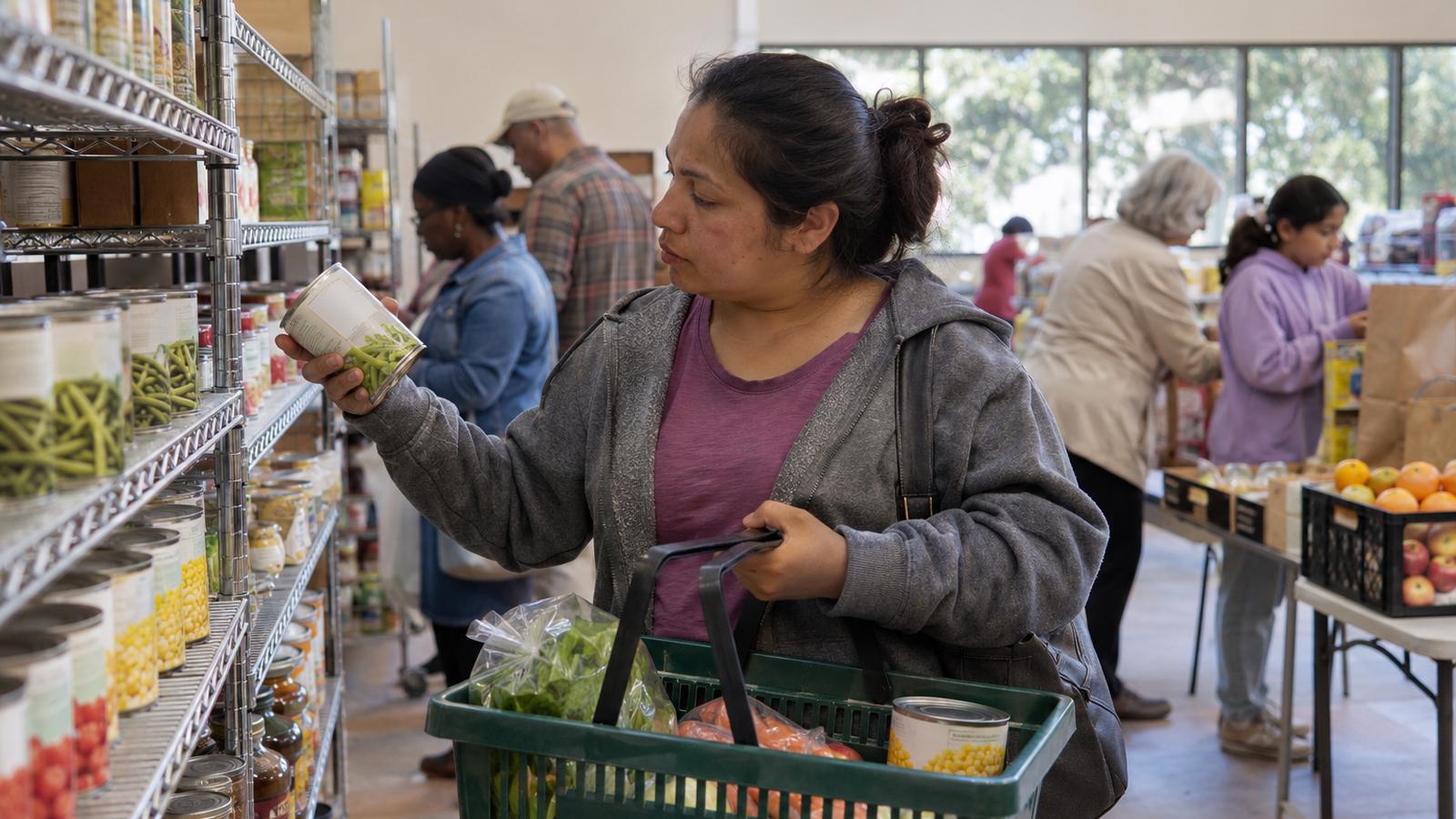
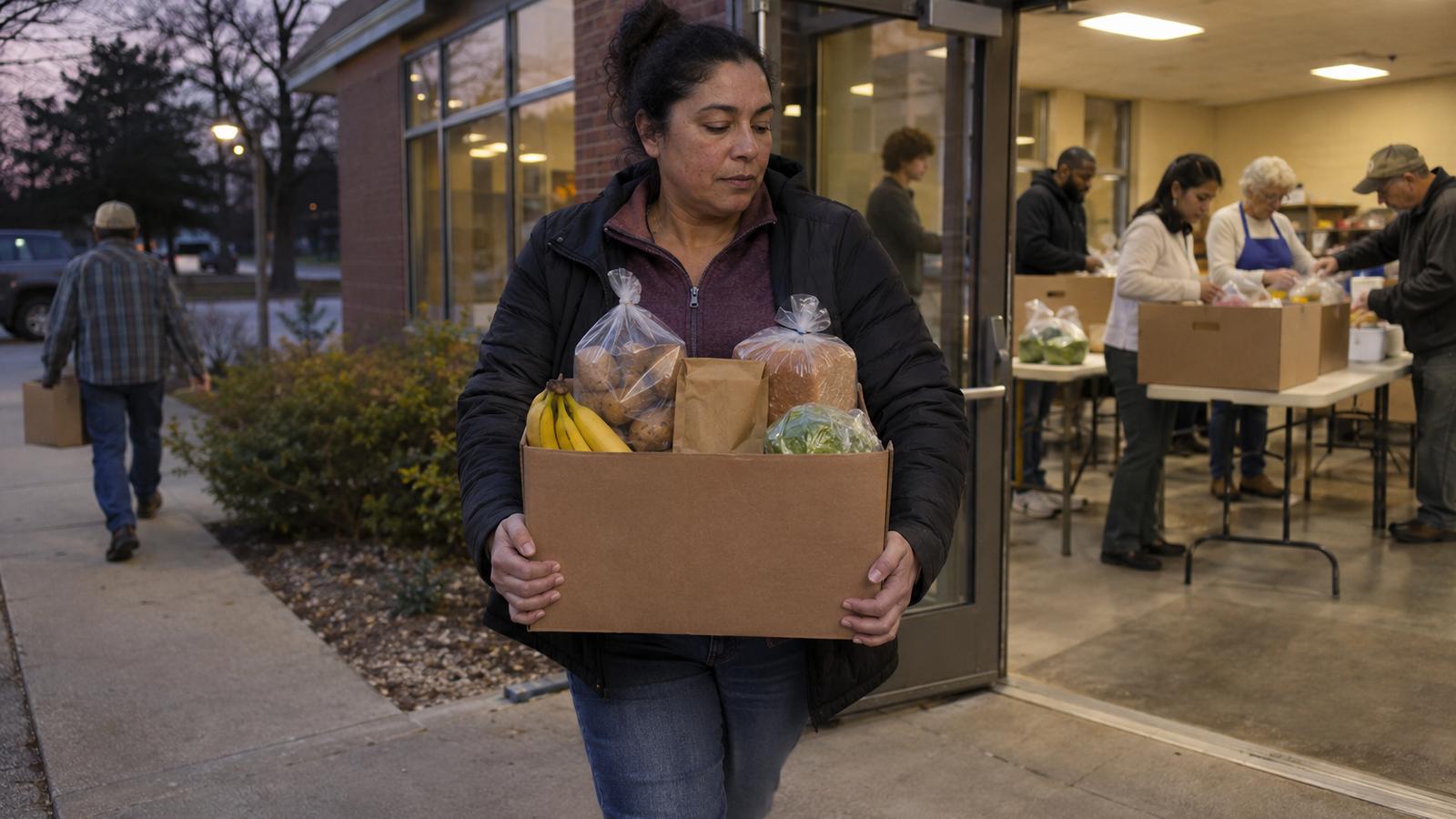
- Food pantries are the neighborhood programs, frequently run by churches, schools or community centers, that put groceries in your hands.
- Soup kitchens serve hot, ready-to-eat meals on the spot instead of groceries you carry home.
If you want groceries to cook at home, begin with a pantry. If you need a meal right away, try a soup kitchen or free meal program instead.
Ways to find one
- Search by your state and city. Choose the type of help you want, such as food banks, pantries or distribution sites, then narrow it down to your state and town. You'll see nearby programs along with their addresses and phone numbers.
- Call 211. When you dial 2-1-1 from any phone, a local United Way operator answers and can direct you to the nearest pantry that's open, often with options for the same day.
- Ask at schools, churches and clinics. Many have an up-to-date list on hand, and some operate pantries of their own.
Will I be eligible?
Most pantries help anyone who lives in their area without asking much. Some collect basics like your name, household size and home ZIP code, because they report how many people they serve to the food bank that stocks them. A smaller number want to see a photo ID or proof of address. None of this is a means test you have to "pass". It's paperwork, not a verdict on you. When in doubt, call ahead and ask what to bring.
What to take with you
- A photo ID, if you have one. It isn't always required.
- Something showing your current address, such as a piece of mail, in case the pantry serves only a certain area.
- Reusable bags or a box, since many pantries run out of bags.
- Your household size, because portions are often set by how many people you feed.
Confirm the hours before you go
Of everything here, this step matters most. Plenty of pantries open for only a few hours a week, sometimes a single morning or evening. Each location's listing gives its hours and phone number, so call before you make the drive, particularly around holidays when schedules shift.
Ready to begin? Look up a food bank in your state and make that first move today.
Look up real places close to you.
This article offers general information only and is not legal, medical or financial advice. Rules, hours and eligibility differ from place to place and change often, so check the details with the program itself or your state agency.