Soup Kitchens and Free Meal Programs, Explained
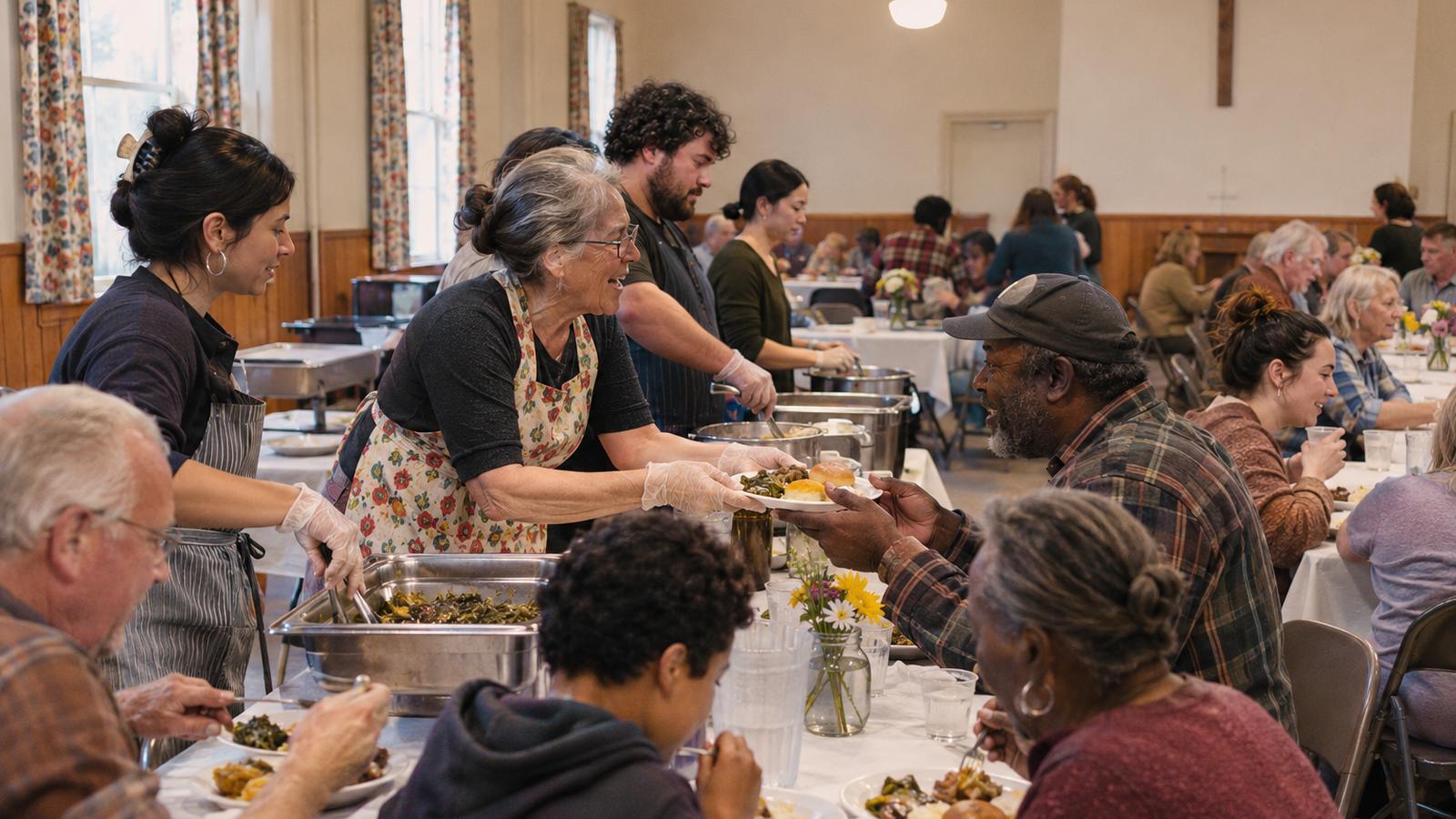
If you need a meal today rather than groceries to cook later, a soup kitchen or community meal program is the quickest help you can get. They serve hot, ready-to-eat food on the premises, normally at no charge and almost never with any paperwork.
How a soup kitchen runs
Soup kitchens serve prepared meals during fixed hours, often from a church, community center or shelter. You arrive while they're serving, receive a plate, and eat on site, though some also give out meals to go. The name is misleading, because the food is rarely "just soup." You can expect a full, balanced meal.
Who is welcome?
Nearly all of them are open to anyone who is hungry. There's no ID to show, no income check, and no questions about your circumstances. Some welcome the whole community, including seniors and families who come for company as much as for the food.
What a visit is like
- Set serving times. Meals go out during a window, for example lunch from 11:30 to 1:00. It matters that you arrive within it, so read the listing's hours first.
- A welcoming room. You'll usually be seated and served, often by volunteers. Many programs deliberately run things like a restaurant so that guests keep their dignity.
- Extra help. Some sites can link diners with other services, including pantries, SNAP sign-up, healthcare or housing support.
Locating meals nearby
Browse soup kitchens or free food programs by state and city to find locations, serving days and hours. If you need food right now and nothing nearby is open, dial 211, and the operator can point you to the closest meal being served today.
Nobody should have to go without a hot meal. Find a soup kitchen near you.
Look up real places close to you.
This article offers general information only and is not legal, medical or financial advice. Rules, hours and eligibility differ from place to place and change often, so check the details with the program itself or your state agency.