Food Stamps: Eligibility Basics and How to Apply
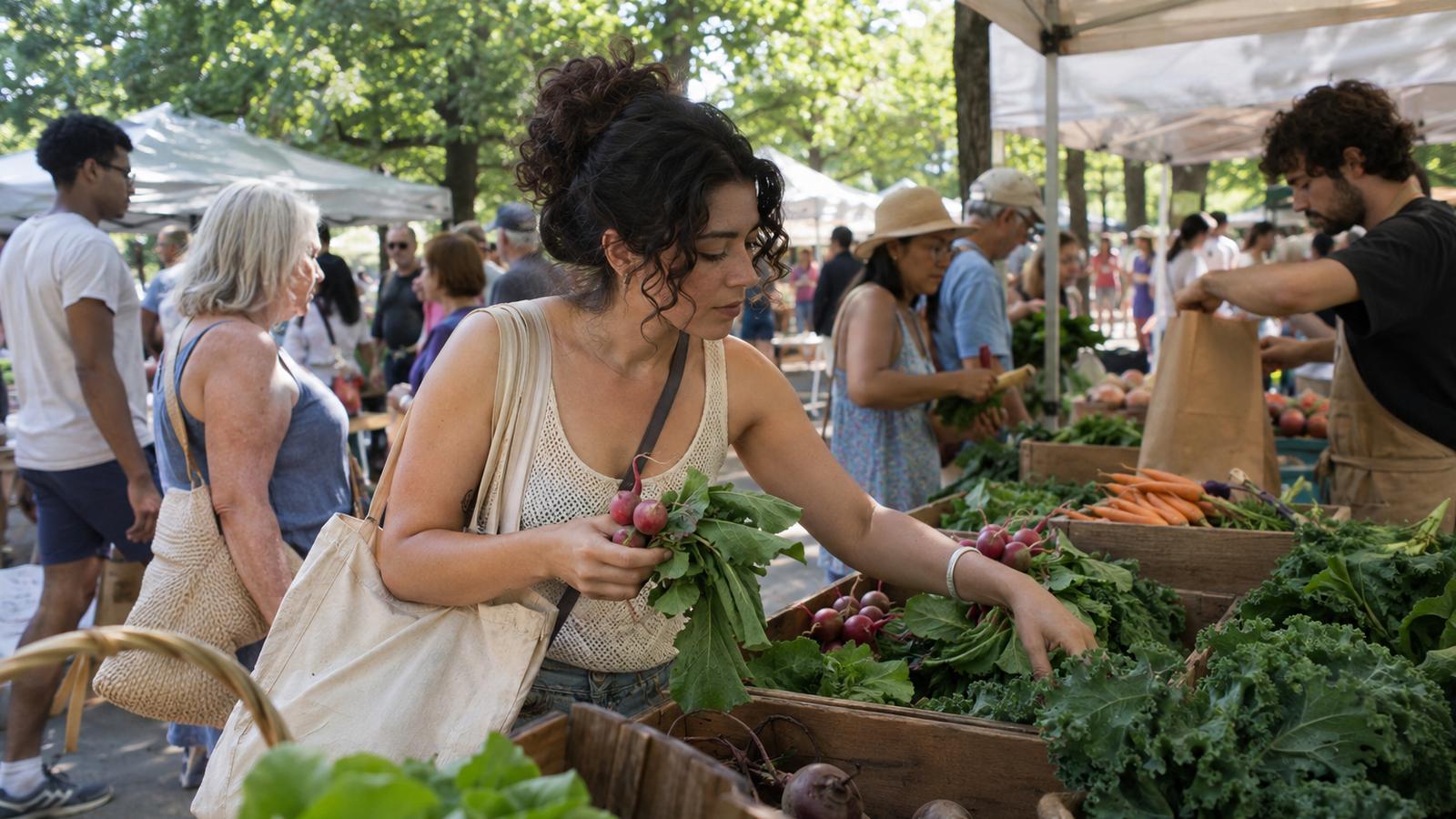
SNAP, the Supplemental Nutrition Assistance Program, is still commonly known as "food stamps" and is the biggest food-assistance program in the United States. Each month your benefits are added to an EBT card that works like a debit card, and you can use it for groceries at most stores and many farmers' markets. This guide explains how the program works and how to apply.
Who can get SNAP?
Eligibility depends mostly on your household's income and size, along with some rules about resources and work. As a rough guide, many households with gross income at or below 130% of the federal poverty line qualify, and the limit goes up with each extra family member. If your household includes someone who is elderly or has a disability, the limits are often higher and there are usually fewer restrictions.
The exact numbers change every year and differ by state, so treat any figure you find online as a starting point. The only sure way to find out is to apply. It costs nothing, and many people who figure they won't qualify turn out to.
What SNAP will and won't pay for
- Yes: fruits and vegetables, meat, dairy, bread, cereal, snacks, and seeds or plants that grow food.
- No: alcohol, tobacco, hot prepared foods, vitamins, and non-food items such as soap or paper goods.
What will my benefit be?
The amount you receive depends on your household size and income. Lower incomes get larger benefits, up to a maximum that is set by household size. The program assumes a household will spend about 30% of its own income on food, and it covers the rest up to that maximum.
Applying step by step
- Apply through your state. Each state handles its own SNAP applications, which you can usually submit online, by mail, or in person at a local office. Look up your state's food stamp office for its address and phone number.
- Complete an interview. In most states you'll have a brief eligibility interview, frequently over the phone.
- Submit proof. Have documents ready that show who you are, your income (such as pay stubs), your housing costs, and who lives with you.
States are required to process most applications within 30 days of the day you apply. If you have almost no income and resources, you may be eligible for expedited benefits within 7 days, so ask about that when you apply.
Food help in the meantime
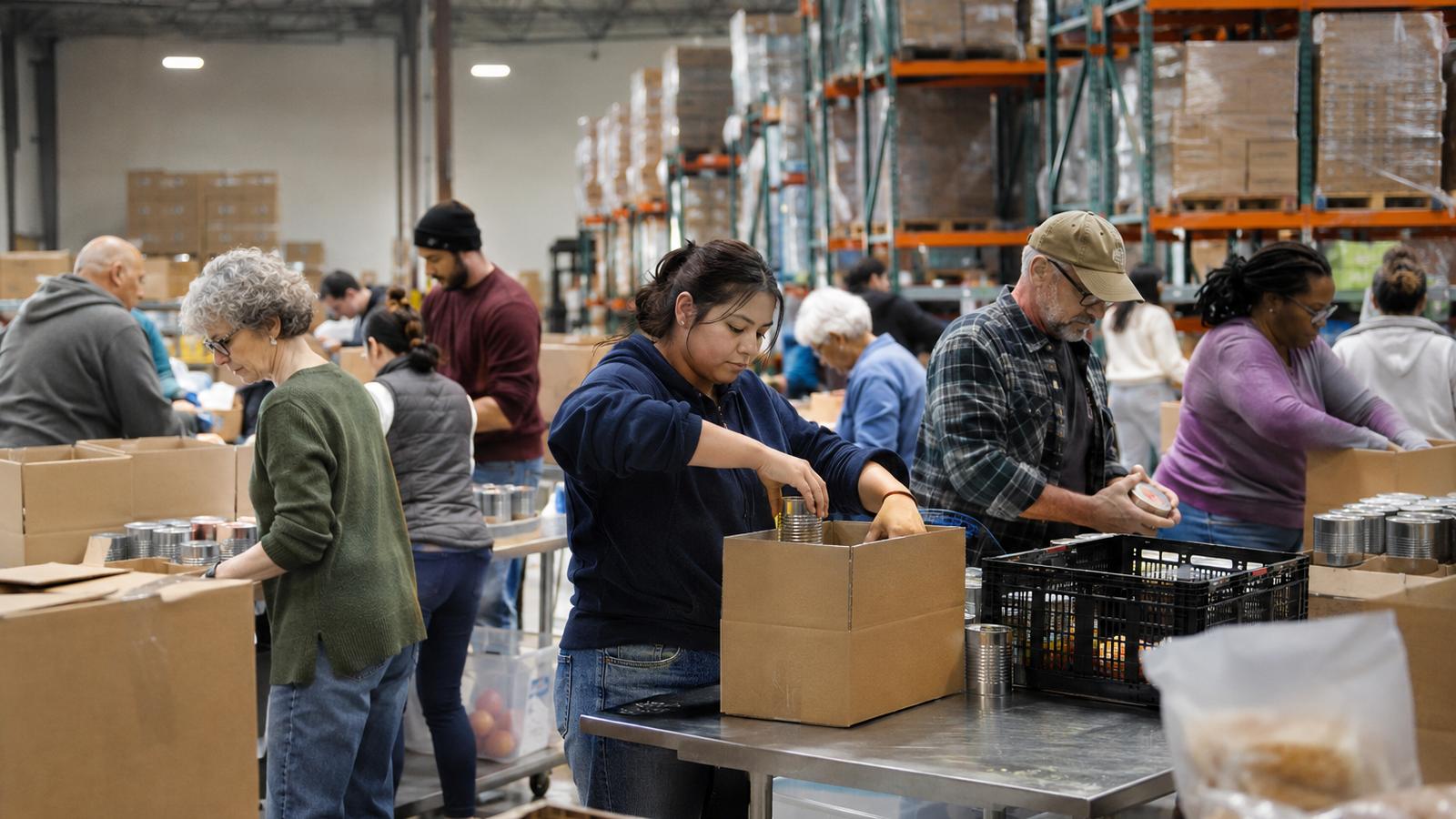
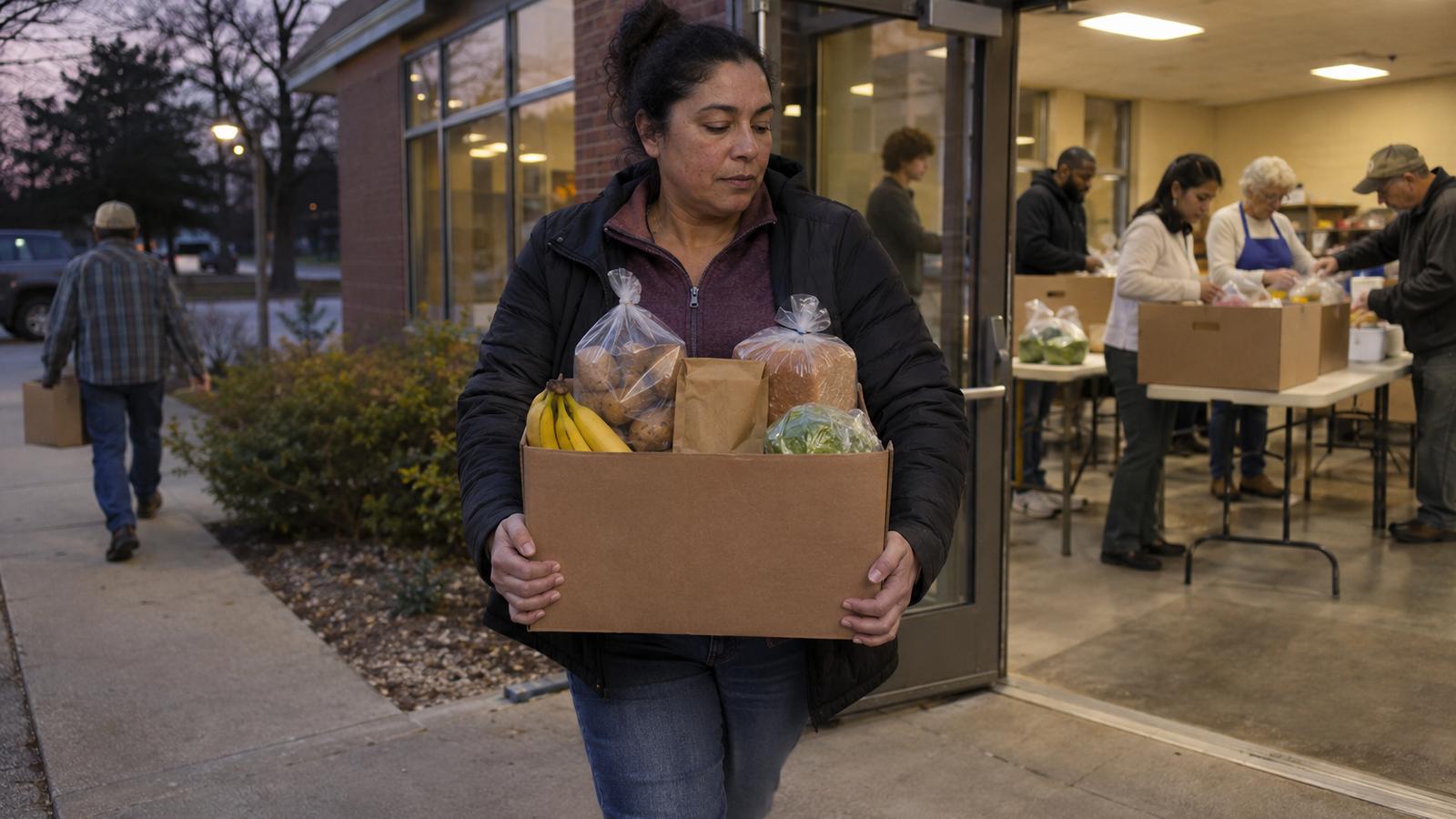
A SNAP application can take a few weeks to come through. Until it does, a local food pantry or distribution site can fill the gap immediately. They complement SNAP rather than replace it.
Rules and income limits change often and vary by state. Check current details with your state SNAP agency before you rely on them.
Look up real places close to you.
This article offers general information only and is not legal, medical or financial advice. Rules, hours and eligibility differ from place to place and change often, so check the details with the program itself or your state agency.