What to Expect on Your First Visit to a Food Pantry
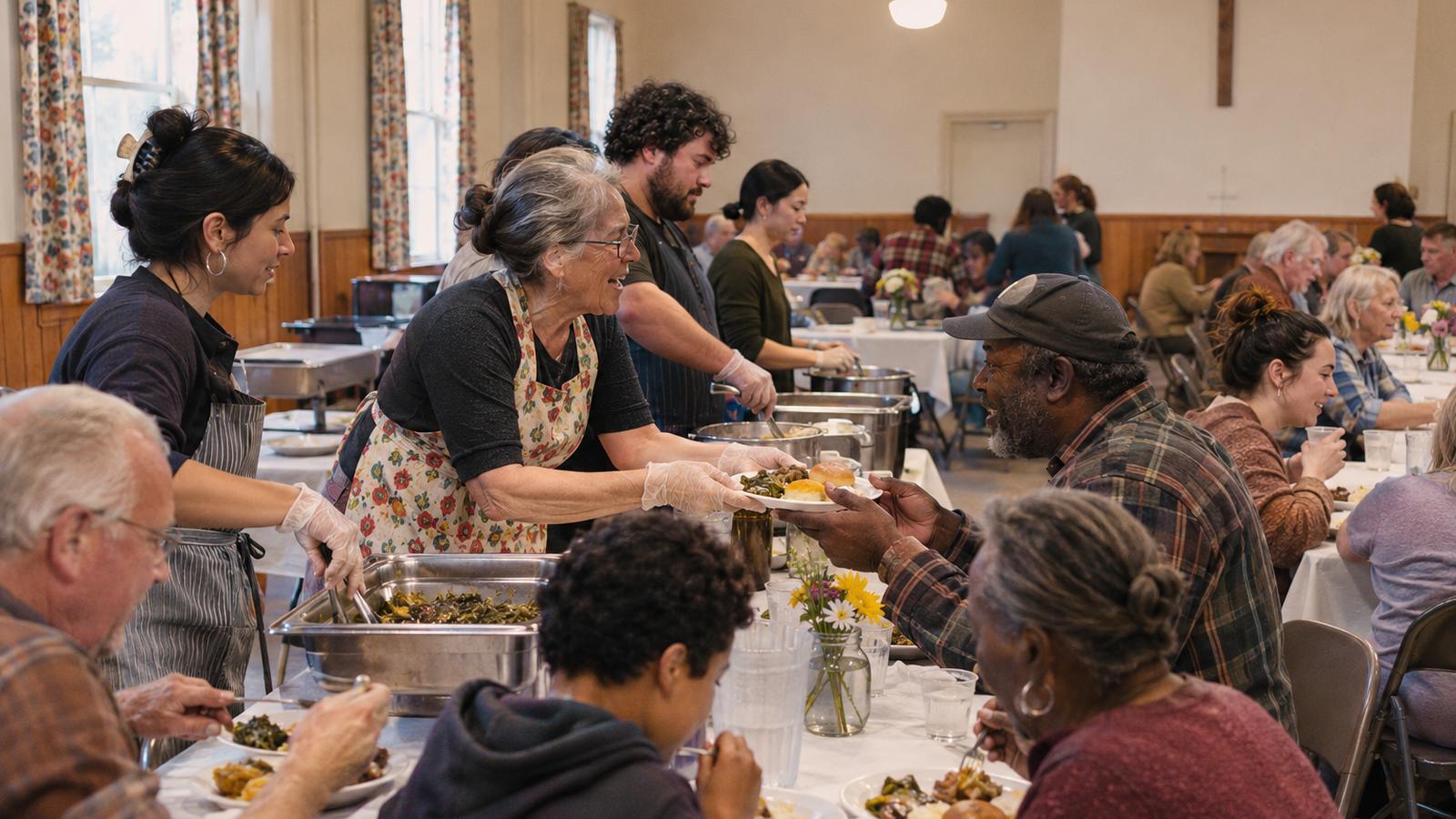
Going into a food pantry for the first time can feel nerve-racking, though it doesn't need to. Neighbors and volunteers run these places. Helping people is the whole point, and they've greeted thousands of first-time visitors before you. Here is what really happens.
Signing in
On arrival you'll typically sign in with your name, household size and ZIP code. A few pantries want a photo ID or a piece of mail to confirm you live in their service area, while many don't ask for anything. They use this information to report how many people they serve. It isn't a test you can fail.
How the food is handed out
Pantries hand out food in one of two ways:
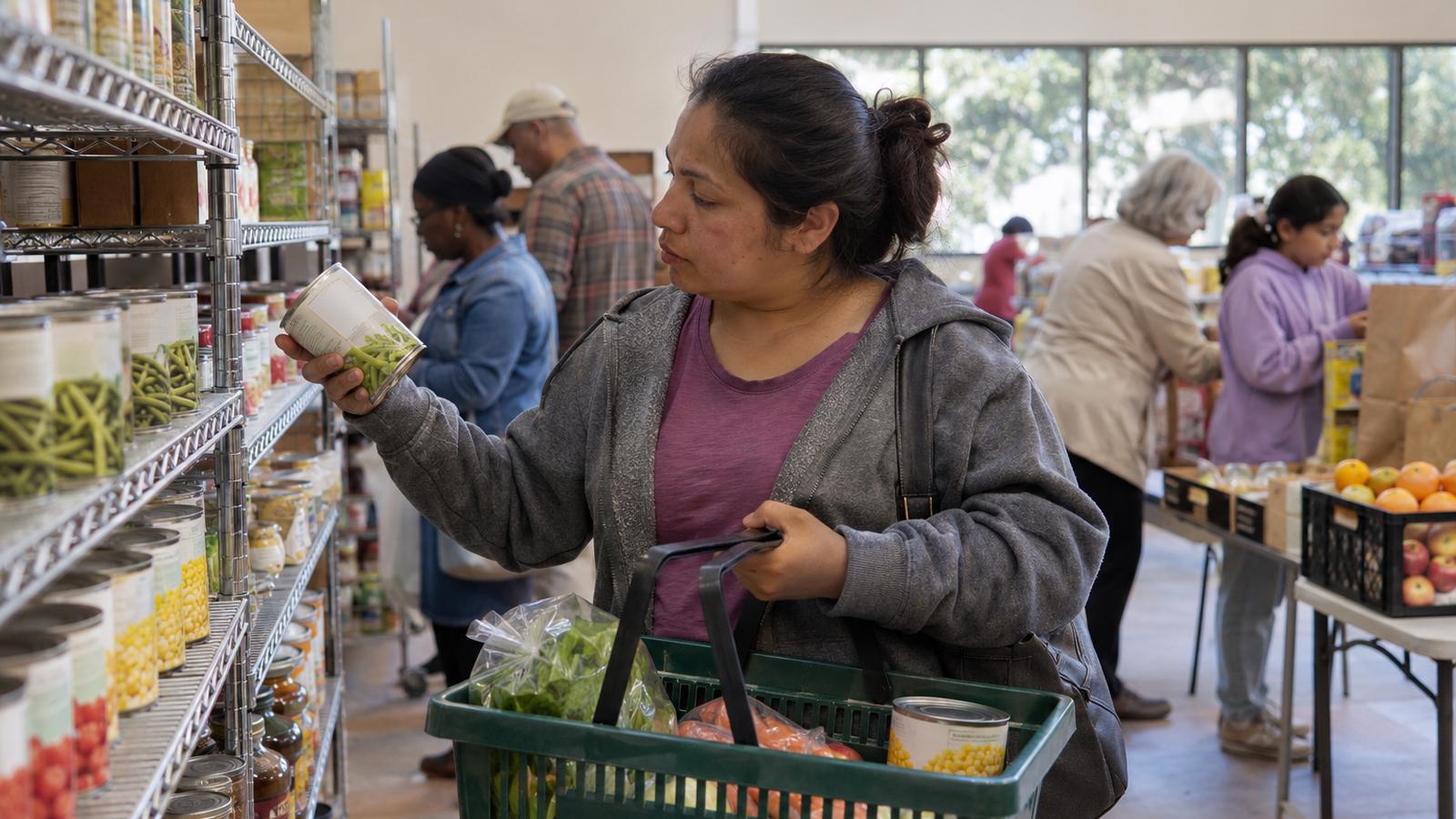
- Client choice: you move through the space like a small grocery store and choose what your family will really eat. This setup is becoming more common and reduces waste.
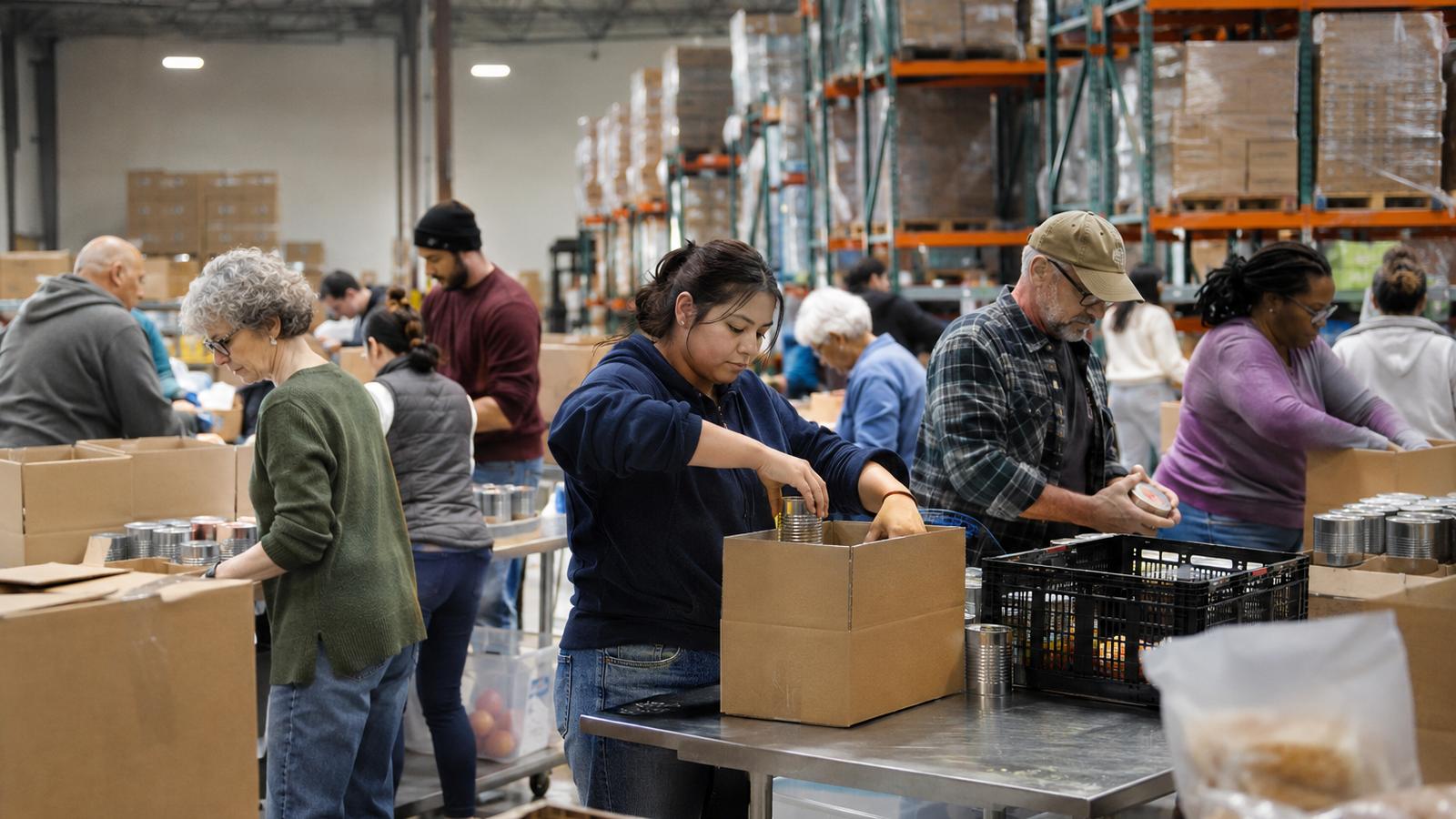
- Pre-packed: volunteers give you a box or bags that are already filled with a balanced mix, sized for your household.
What you'll leave with
You can generally expect:
- Shelf-stable staples such as canned vegetables, beans, pasta, rice, peanut butter and cereal.
- Fresh items when they're in stock, including bread, produce, eggs, dairy and sometimes frozen meat.
- Now and then, household basics like diapers or hygiene products.
The quantity usually depends on how many people are in your family. It's meant to stretch across several days of meals, not to cover all of your shopping.
Can I visit again?
This differs from one pantry to the next. Many allow a visit once a week or once a month. Ask when you check in, and they'll explain their schedule and whether you can come back.
Handy tips
- Bring your own bags or a box. Pantries often run low.
- Go early. Fresh items and favorite staples are the first to go.
- Call ahead to check hours, which are often limited.
- Feel free to ask questions. Volunteers are used to them.
That's really all there is to it. Look for a pantry in your town and head over. Walking through the door the first time is the hardest part.
Look up real places close to you.
This article offers general information only and is not legal, medical or financial advice. Rules, hours and eligibility differ from place to place and change often, so check the details with the program itself or your state agency.